
TRENDWATCH
Trends. Best Practices. Insights. Data. Benchmarks.
Trends. Best Practices. Insights. Data. Benchmarks.
Experiential budgets are holding. The patience behind them is not.
The question is no longer “Should we show up?” It’s “What will this program produce, and can we prove it?”
Decision-making groups are larger, more cross-functional, and more skeptical than they were two years ago. They don't want a brand moment. They want evidence that the program moved something.
The bar isn't higher because budgets got cut. It's higher because everyone at the table now expects technical depth, peer validation, and a clear line to revenue before they'll sign off.
The New Operating Reality
Conversations that advance deals
Proof that builds buyer confidence
Content that extends beyond the event
Data that connects to pipeline
The programs that win in 2026 produce four things:

These trends reflect that shift. They're drawn from industry research, regulatory developments, and what we're seeing across our client portfolio. The goal isn't prediction — it's prioritization. Each trend includes an impact score (1–10) to guide action.
2026 Event Marketing Trends:
-
Impact: 8/10
Most experiential programs are still designed to impress, not to prove. That gap is becoming expensive.
In a market saturated with AI-generated content and polished messaging, live experience is one of the few remaining channels where buyers can validate claims for themselves. And buying groups are using it that way by treating events less as discovery and more as due diligence. In-person product proof and peer credibility now carry more weight in purchase decisions than any piece of collateral.
What wins
Hands-on demos aligned to buyer roles
Customer testimonials captured and deployed in the experience
Access to executives and subject matter experts
What loses
"Immersive brand experiences" that don't answer a single buyer question
Theatrics that look great on the recap video but produce zero qualified meetings
Event investments justified by foot traffic instead of pipeline contribution
Implication
Experiences should demonstrate product value and build buyer confidence.
-
Impact: 8/10
The era of showing up everywhere is ending. Brands are consolidating into fewer, higher-yield programs — not because budgets are shrinking, but because leadership is demanding that every event on the calendar justify its place in the portfolio.
The shift is from event volume to portfolio logic: a small number of flagship anchors with clear revenue roles, supported by a structured regional cadence and a meeting strategy that functions as a conversion engine.
What wins
1–2 flagship anchors with clear revenue objectives
Repeatable regional programs aligned to priority segments
Meeting strategy treated as a conversion engine
What loses
Event volume without portfolio logic
Identical executions across markets
One-off programs without reuse or continuity
Implication
Prioritize fewer programs with clearer revenue roles.
-
Impact: 9/10
Most event teams have experimented with AI. Far fewer have operationalized it.
The shift in 2026 isn't about whether to use AI, it's about where it actually changes outcomes. The highest-impact applications aren't content generation. They're the operational layers. The gap between teams piloting AI tools and teams running events through them is widening fast.
What wins
AI-driven matchmaking and meeting recommendations
Modular content packaging and rapid distribution
Automated insights connected directly to CRM
What loses
Pilot tools without adoption plans
Personalization without consent and governance
Generic AI content lacking credibility
Regulatory context
The EU AI Act becomes broadly applicable August 2, 2026.
Implication
Make AI part of daily operations and event workflows.
-
Impact: 8/10
Financial scrutiny is reshaping experiential strategy. Leaders now expect clear linkage between events and pipeline impact.
Measurement is no longer a post-event report. It must be built into the program.
What wins
3–5 KPIs defined before creative begins
Structured meeting capture with defined follow-up
CRM integration and agreed attribution logic
What loses
“Engagement” as the only metric
Badge scans without qualification
Recaps disconnected from revenue impact
Implication
Define how success will be measured from the start.
-
Impact: 9/10
Here's the math that's changing event strategy: a three-day conference produces maybe 40 hours of live engagement. The content captured during those hours can generate months of marketing and sales fuel if it's planned that way.
As portfolios consolidate, the ROI case for each remaining program depends increasingly on what it produces beyond the event itself. The programs generating the highest return treat content capture not as a post-production afterthought but as a core design requirement.
What wins
Content capture planned during program design
Modular keynote segments and recorded proof demos
Rapid post-event asset packaging for distribution
What loses
Ad hoc filming without defined deliverables
Long-form content without modular cutdowns
Assets that never enter sales or marketing workflows
Implication
Treat events as content engines for the marketing and sales pipeline.
-
Impact: 8/10
Proof is the strategy. Conversion is the engineering.
Trend #1 explains why events need to demonstrate value rather than declare it. This trend is about how the physical environment makes that happen.
High-performing programs don't leave conversion to chance. They design it into the space, the staffing, and the attendee flow.
Performance depends on how effectively each interaction advances a buyer from curiosity to confidence to commitment. That requires connected storytelling across the space, not a collection of standalone activations.
What wins
Physical layouts designed as sequential journeys, not disconnected stations
Staffing models built around qualification and routing over crowd management
Meeting environments engineered for volume, privacy, and executive access
Real-time attendee flow data used to adjust engagement in the moment
What loses
Disconnected activations with no narrative progression
Unstructured demos and reactive staffing
Presence-first strategies disconnected from revenue
Implication
Design a connected journey where each interaction advances understanding and moves attendees toward qualified next steps.
-
Impact: 7/10
As flagship programs consolidate, brands are expanding structured regional initiatives to maintain deal velocity.
Smaller, curated gatherings often outperform large-scale environments in advancing opportunities.
Field programs are shifting from local presence to targeted conversion.
What wins
High-touch dinners and curated experiences for priority accounts
Repeatable field formats aligned to sales territories
Clear linkage between engagement and pipeline
What loses
One-off roadshows without clear objectives
Overbuilt formats that do not scale
Events disconnected from CRM and follow-up
Implication
Use field programs to advance deals and strengthen key relationships.
-
Impact: 8/10
Sustainability is no longer a positioning decision. It's a procurement requirement and, increasingly, a legal one.
In Europe, unsubstantiated environmental claims now carry regulatory consequences. In North America, the pressure is coming from a different direction: enterprise procurement teams are writing sustainability documentation into vendor requirements.
More and more brand teams are asking for evidence of material reuse, freight optimization, and measurable waste reduction, and the agencies that can provide it are gaining a competitive edge.
What wins
Documented material reuse and modular builds
Freight optimization and measurable waste reduction
Procurement-ready event sustainability summaries
What loses
Vague environmental claims or unverified labels
One-off green gestures without documentation
Sustainability narratives without operational evidence
Regulatory context
Updated EU green-claims enforcement applies September 27, 2026.
Implication
Operational practices must support every sustainability claim.
-
Impact: 7/10
Personalization drives performance, but regulatory complexity is increasing.
Europe operates under centralized GDPR enforcement while North America continues expanding state privacy laws.
Programs must balance engagement with responsible data practices.
What wins
Explicit opt-ins and transparent data use
Minimal data capture aligned to objectives
Vendor governance built into event planning
What loses
Passive tracking without consent clarity
Over-collection without purpose
Tools that conflict with enterprise policy
Implication
Personalization must operate within clear data and consent standards.
-
Impact: 7/10
The experiential industry is running into a workforce constraint that technology alone won't solve.
Skilled event managers, technical producers, and knowledgeable brand ambassadors are in short supply across trade show, experiential activation, and corporate event teams alike. The programs that depend on them are getting more complex, not less. AI can optimize logistics and personalize content, but the human layer of experiential still determines whether a program converts or just occupies space.
What wins
Staffing strategies planned alongside creative and program design, not sourced at the last minute
Training programs that prepare teams to qualify, route, and capture across booth environments, activations, and hosted events — not just greet and hand out collateral
Long-term agency and staffing partnerships that build institutional knowledge about the brand, the audience, and the program objectives
Staff performance tied to program KPIs — meetings booked, leads qualified, content captured — not just hours worked
What loses
Treating staffing as a commodity line item regardless of program complexity
Underprepared teams running high-investment programs where every interaction matters
Constant vendor rotation that forces you to rebuild institutional knowledge from scratch every cycle
Assuming the same staffing model works across your portfolio
Implication
The people on the floor are your conversion mechanism. Invest in them accordingly.
Putting these trends
to work.
You've read the trends. Now use them. These questions are designed to stress-test your 2026 event strategy against the shifts that matter most.
-
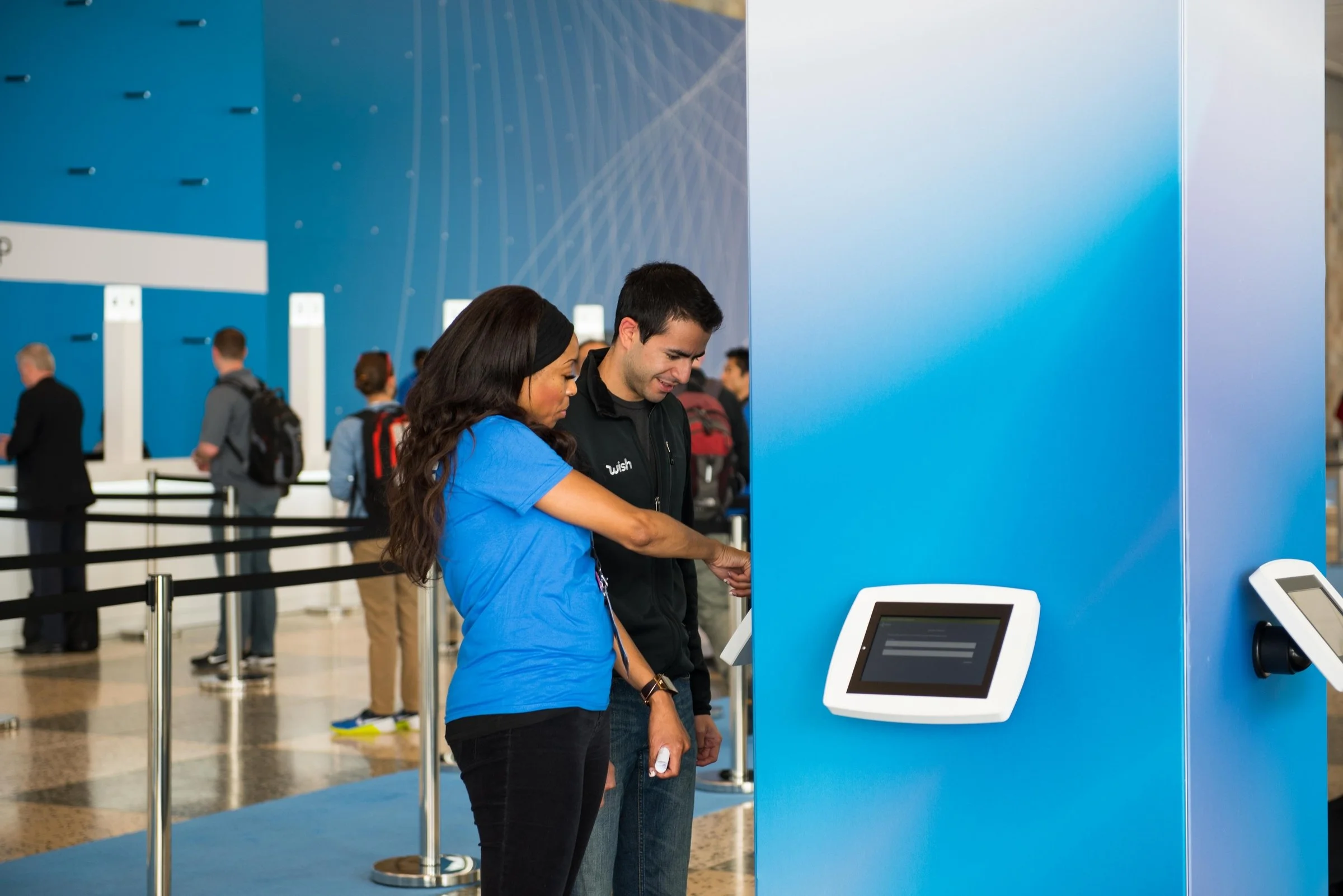
![Two people using a self check-in kiosk at an airport, with other travelers and check-in counters in the background.]()
AI & Measurement
Where is AI currently reducing manual work in your event operations. Not where could it, but where is it?
Are your KPIs defined before creative begins, or added to the recap deck?
Can you connect event engagement to CRM activity within a week of the program?
-
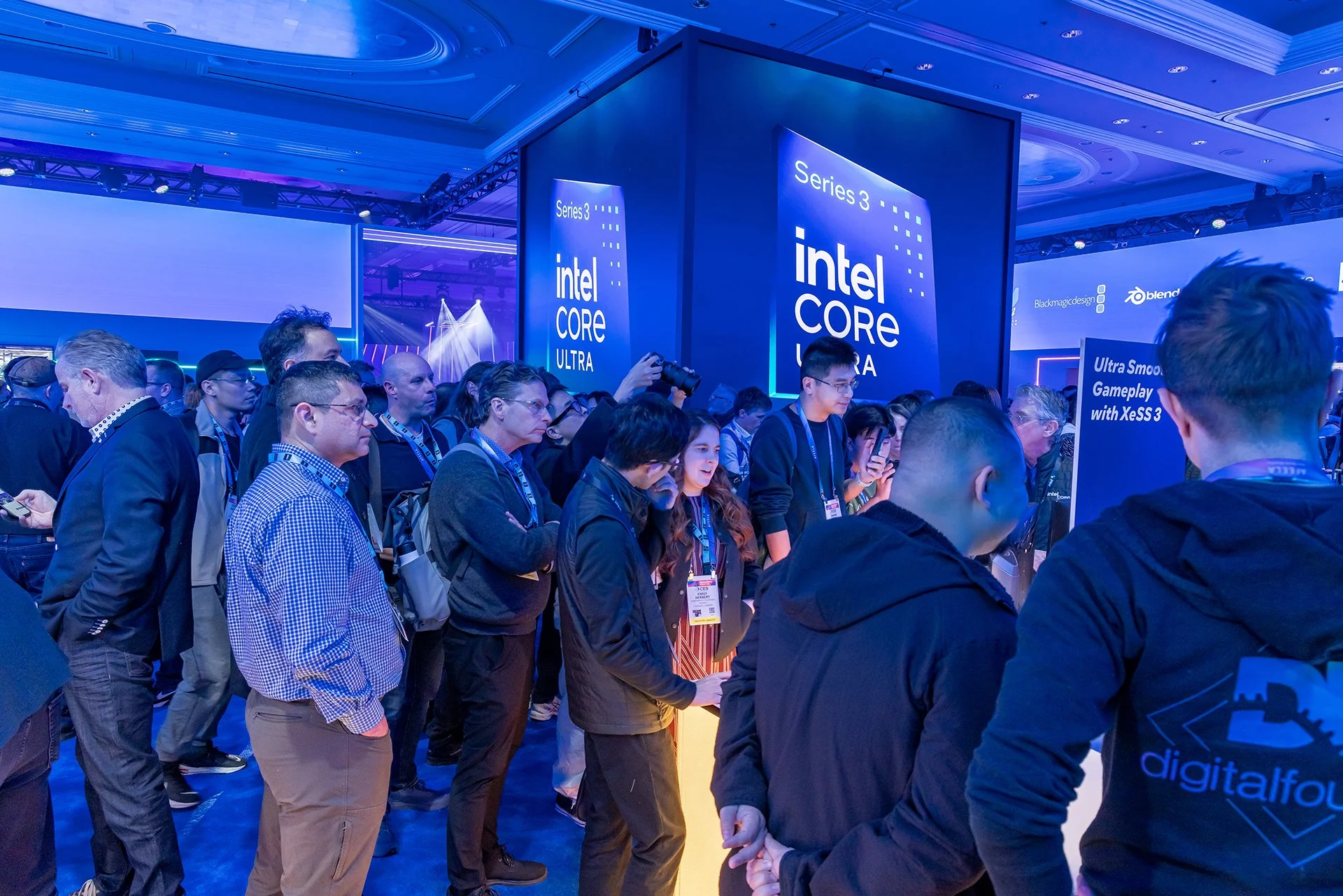
![Crowd of people at a technology expo, with large banners displaying Intel Core Ultra branding and several standing monitors.]()
Proof & Conversion
When an attendee leaves your space, what specific evidence have they seen that your product works?
Is your demo experience aligned to the roles of the people actually walking through or is it a one-size-fits-all walkthrough?
How many qualified meetings did your last major program produce? If you don't know, that's a problem.
-
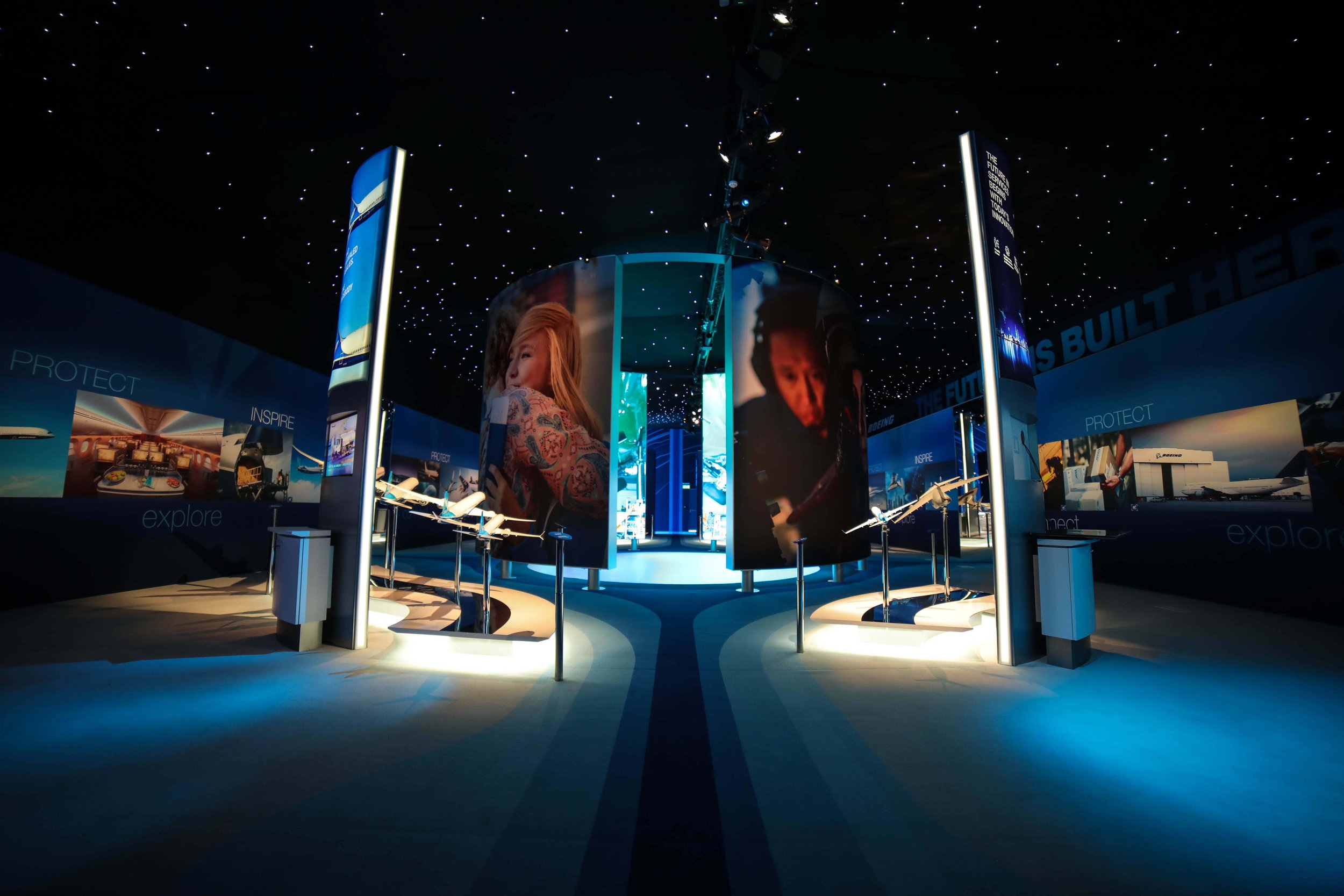
![An indoor exhibition space featuring large curved digital screens displaying photos of people, with lighting and display panels showcasing aerospace and technology themes, and a starry ceiling overhead.]()
Portfolio & Investment
Can you name the revenue role of every event on your calendar? If not, which ones are legacy holds?
Are your regional programs structured for conversion, or are they scaled-down versions of your flagship?
What would you cut if you had to reduce your portfolio by 30% tomorrow — and what does that answer tell you?
-
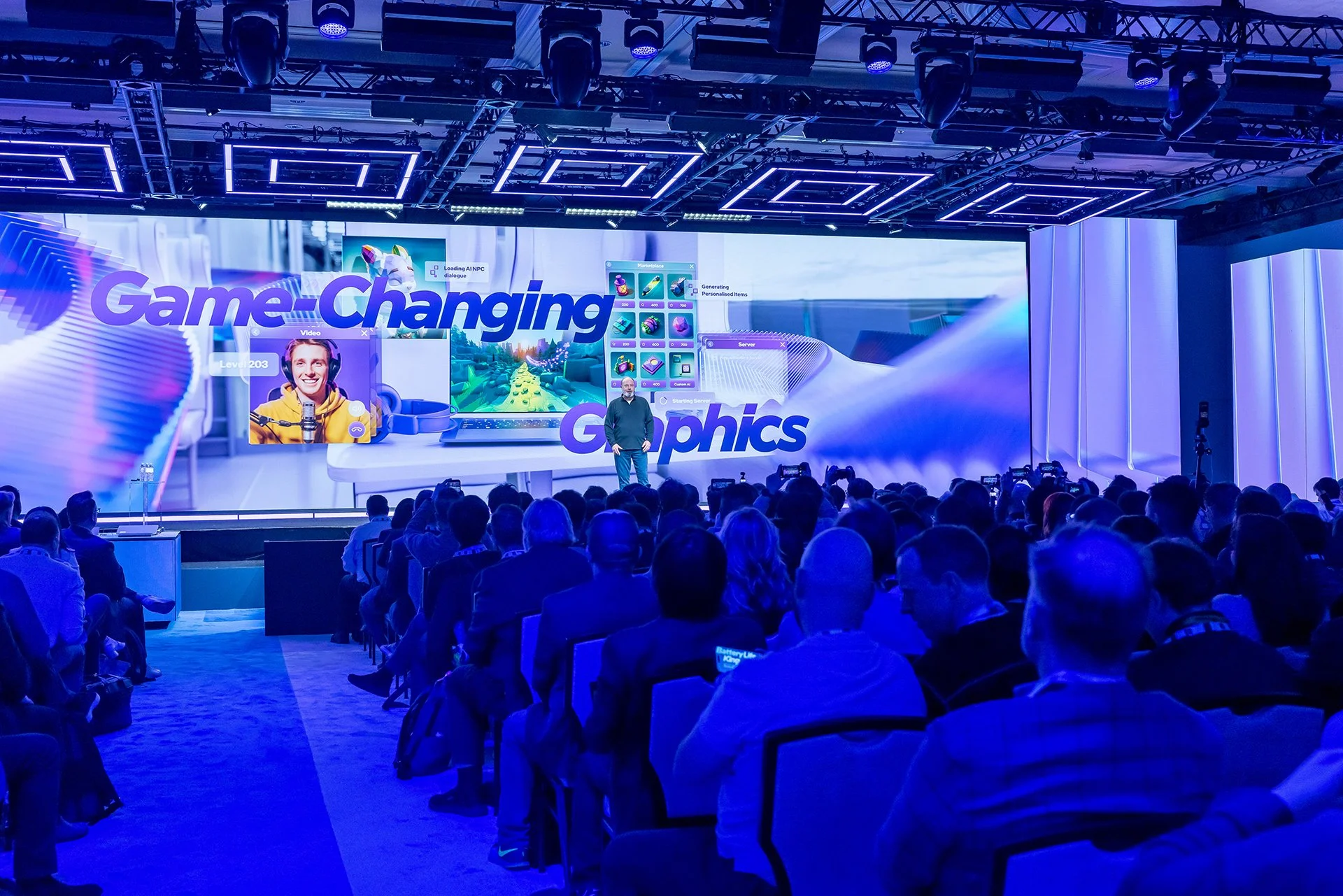
![A speaker on stage at a conference presenting about game-changing graphics technology, with a large audience seated in front and blue lighting.]()
Content & Amplification
Is your content capture plan written before or after creative development?
From your last event, how many assets entered an active sales or marketing workflow within 30 days?
Could your sales team use the content you captured last quarter? Did they?
-
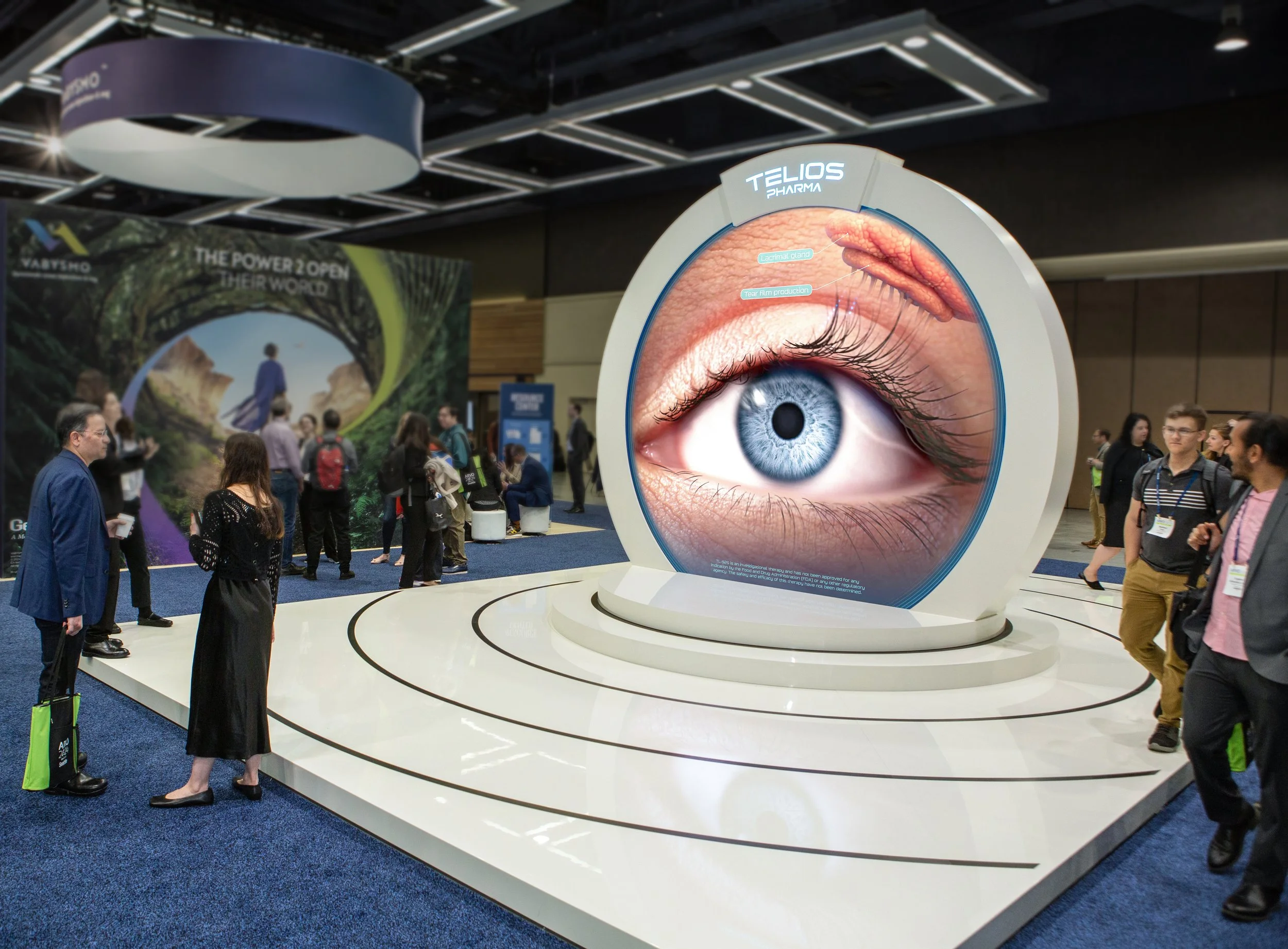
![Large exhibition display featuring an oversized eye with labels for the tear film and lacrimal gland. People are walking around and engaging with the exhibits at a conference or trade show.]()
Risk & Compliance
Could your sustainability claims survive a procurement audit? Do you have the documentation?
For global programs, are you planning for privacy and consent standards upfront or managing them reactively?
If a new regulation took effect tomorrow, would your current program design hold up?

The forces reshaping experiential are consistent across markets.
Their execution is not.

Industry sector implications.
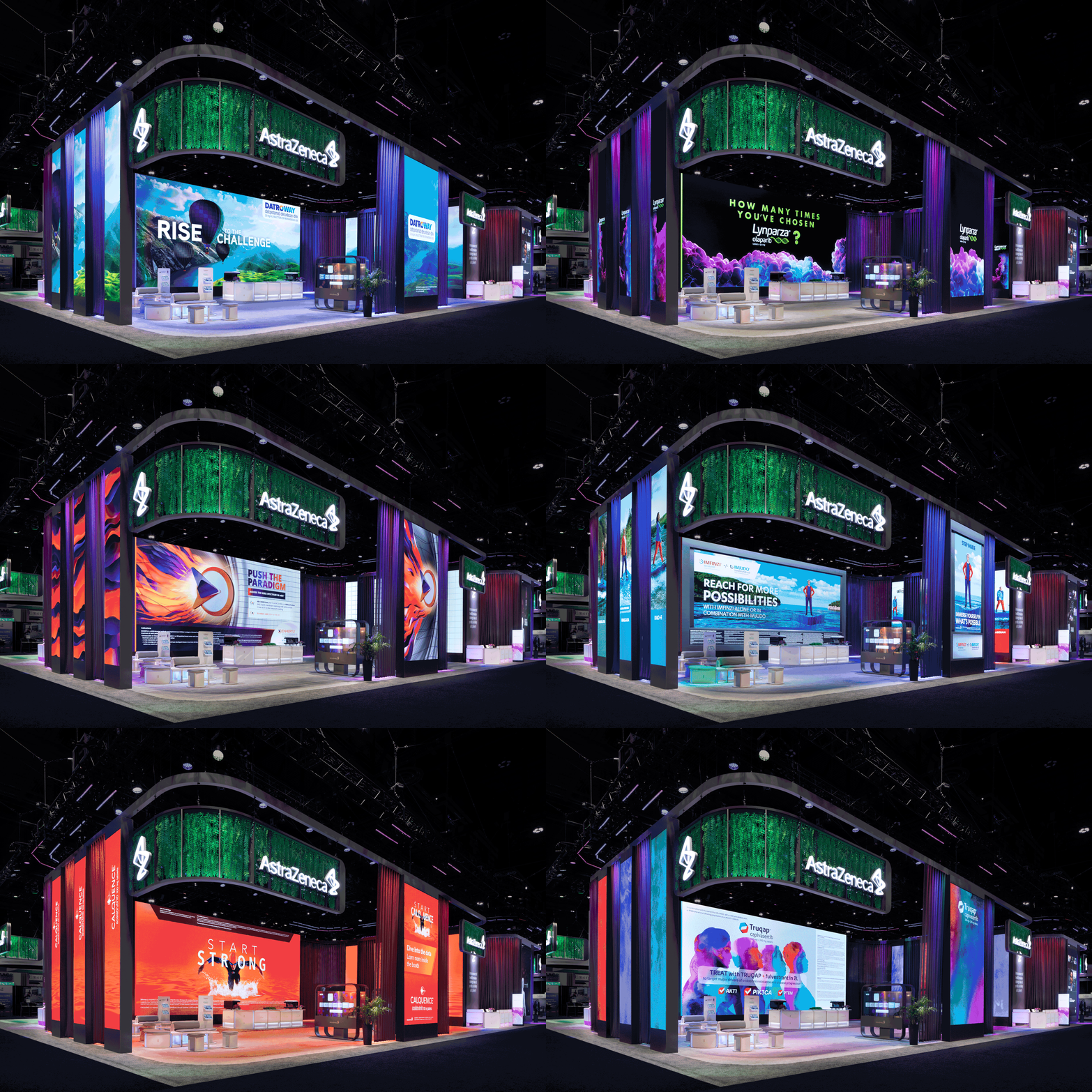
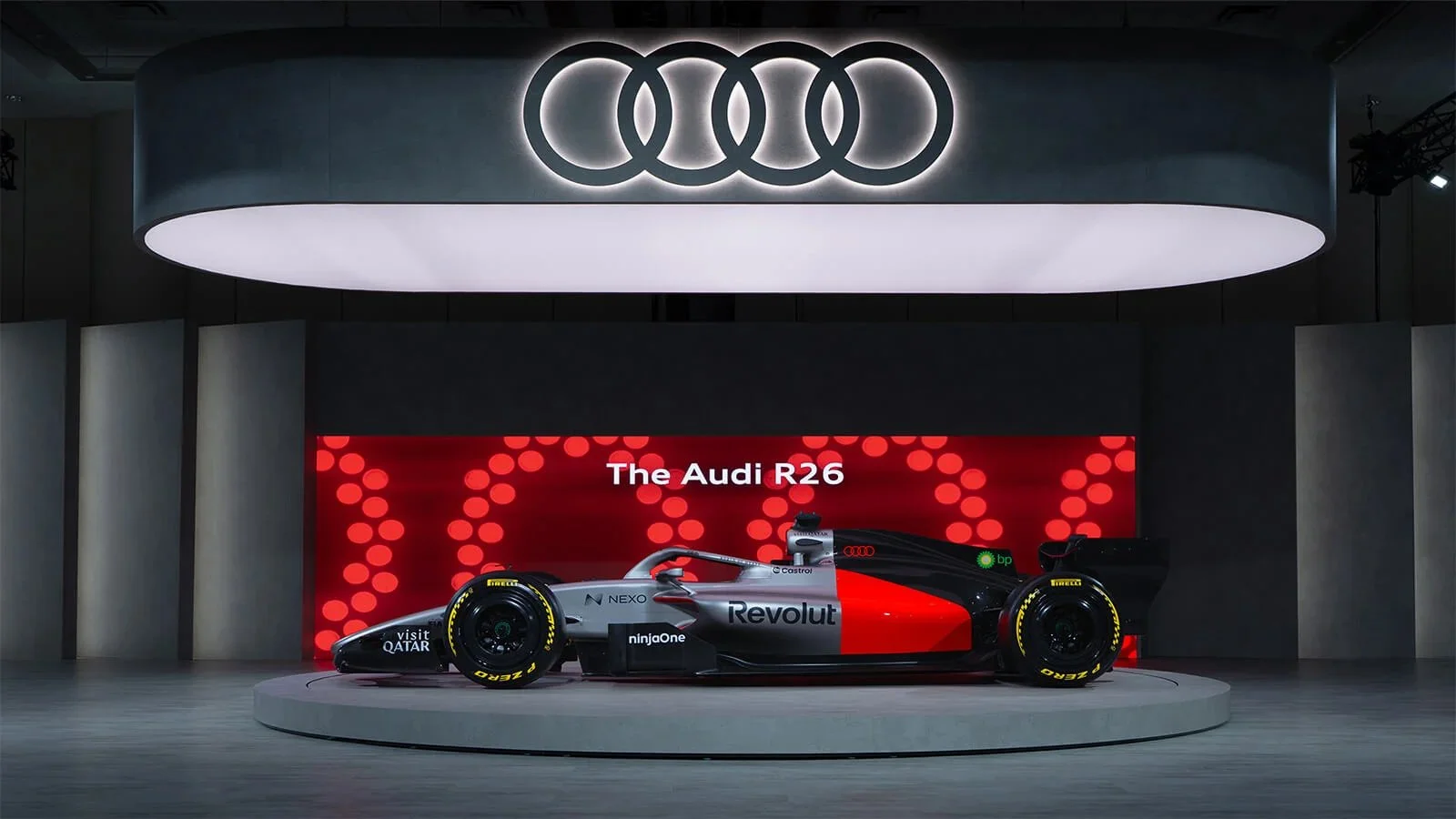
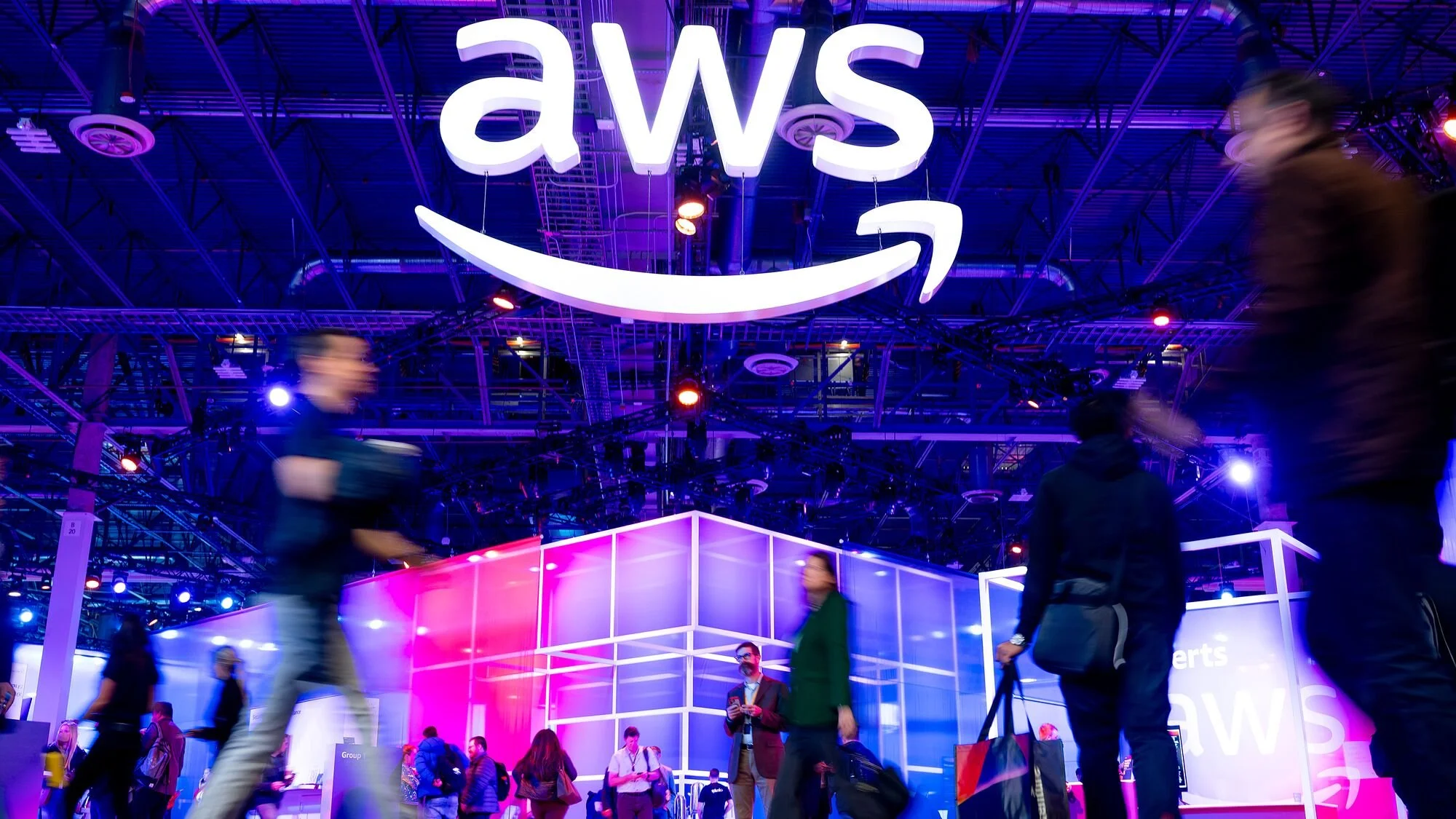
Here is how the 2026 trends translate across core sectors:
-
Technology buyers arrive at events mid-research. They've already read the documentation, watched the demo videos, and compared your product to three alternatives. The event is where they pressure-test their assumptions with real people.
Programs that accelerate adoption — hands-on labs, developer tracks, certification sessions, and deep technical proof — outperform programs that are still trying to generate awareness. By the time a tech buyer is in your space, awareness isn't the problem. Confidence is.
-
Healthcare experiential operates under constraints no other sector faces: compressed engagement windows at congresses, multi-generational HCP audiences with different learning expectations, and a regulatory framework that shapes every interaction.
The programs that perform in this environment are scientifically credible, time-respectful, and consistent across regions, congresses, and cultures. They separate education from promotion by design, not by afterthought. And with compliance requirements tightening — including scrutiny around AI-generated content and data handling — the margin for improvisation is shrinking.
Compliance is no longer a final review. It's a design input. Industry codes, enterprise policies, and data governance standards are shaping programs earlier in the planning process — influencing booth layout, engagement models, digital content workflows, and HCP documentation. Programs must withstand scrutiny not just for scientific content but for interaction design and how attendee data is captured and retained.
The organizations that build disciplined, repeatable compliance frameworks will move faster and with more confidence than those still managing it reactively.
-
Manufacturing buyers don't trust spec sheets. They trust what they can see working. The more complex the product, the wider the gap between what a brochure can communicate and what a buyer needs to understand before committing.
Interactive demos, digital simulations, and guided walkthroughs that let buyers experience capabilities firsthand shorten the sales cycle in ways that static content cannot. The strongest programs connect the on-site experience directly to the technical evaluation process, giving engineering and procurement teams the evidence they need to move forward.
-
Channel events should do one thing above all else: equip partners to sell. Distributor meetings and regional programs that deliver product proof, activation tools, and clear go-to-market plans translate directly into shelf placement and volume.
The most effective programs treat channel partners as an extension of the sales team, not a passive audience. That means designing experiences around sell-in enablement, not brand storytelling, and sending partners home with materials and confidence they can put to work immediately.
-
Automotive buyers, whether fleet managers, dealer networks, or end consumers, make decisions based on how a vehicle performs, not how it's described. Experiential programs in this sector must put the product in motion.
The programs that drive measurable results connect the live experience directly to dealer networks and partner programs, creating a clear path from test drive to transaction. Performance must be demonstrated, and that demonstration must link to sales activation not just brand awareness.
-
Financial services buyers make decisions based on trust, not spectacle. The most effective programs in this sector create structured relationship environments. Think executive briefings, curated roundtables, and advisory-style engagements where credibility is built through depth, not scale.
Compliance isn't a constraint here; it's the baseline expectation. Programs that embed regulatory alignment from the start signal the kind of operational rigor that financial services clients expect from their own partners.
The takeaway
What this means going forward
The bar for experiential has moved not because companies are investing less, but because they're expecting more from every dollar and every hour.
Programs are no longer judged by how they looked or how they felt. They're judged by what they produced: conversations that advanced deals, proof that built buyer confidence, content that fueled the pipeline, and data that connected to revenue.
The 2027 advantage will belong to companies that:
a. Build measurable systems
b. Use AI operationally and efficiently
c. Document sustainably with clear evidence
d. Plan for compliance from the start
That's the work. And it starts now. We're here when you're ready to dig in.
TRENDWATCH
Field Reports.
Field Reports examine what’s happening on the ground at major industry events. Each highlights emerging trends, standout programs, and ideas you can apply as you plan your next experience.
Password: Taylor





Turning insight into execution
Want to see how these trends apply to your programs?
Check the box and a Taylor team member will reach out.
About this report
Taylor TrendWatch is produced by The Taylor Group's strategy, creative, and account teams. It combines original client observations with research and data from leading industry and regulatory sources. Each trend is scored for business impact and grounded in what we're seeing in practice. This report is updated as conditions evolve.